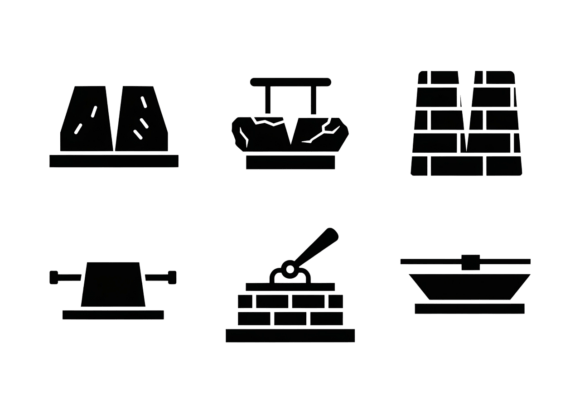
Discover the Timeless Beauty of Ancient Construction and Building Icons
In a world driven by modern technology and digital innovation, it's easy to overlook the enduring legacy of ancient construction and building icons. These symbols, rooted in history, offer more than just aesthetic value—they tell stories of human ingenuity, cultural identity, and architectural evolution. Whether you're a designer, a hobbyist, or simply curious about the past, understanding these icons can open new creative possibilities.
The Significance of Ancient Construction and Building Icons
Ancient construction and building icons have been used for centuries as visual representations of architecture, engineering, and craftsmanship. From the pyramids of Egypt to the temples of Greece, these structures were not only functional but also symbolic of religious, political, and social values. The iconography associated with them often reflects the beliefs and technologies of the time.
For example, the column is one of the most recognizable symbols of classical architecture. Originating in ancient Greece and Rome, columns were not just structural elements but also represented order, strength, and divine authority. Today, they continue to be used in both historical and contemporary designs, bridging the gap between past and present.
Similarly, the arch has been a defining feature of many ancient civilizations. Used in Roman aqueducts, triumphal arches, and medieval cathedrals, the arch symbolizes innovation and the ability to span vast distances. Its influence can still be seen in modern architecture, from bridges to stadiums.
Why These Icons Matter in Modern Design
While ancient construction and building icons may seem like relics of the past, their relevance in today’s design world is undeniable. These symbols are not only visually appealing but also carry deep cultural and historical significance. They provide designers with a rich source of inspiration that can be adapted to various contexts.
For instance, using an icon of a castle or a ziggurat in a logo or branding project can evoke feelings of strength, tradition, and heritage. Similarly, incorporating elements like stone tools or ancient scaffolding into digital art or illustrations can add depth and authenticity to a design.
Moreover, these icons are versatile and can be applied across multiple industries. Whether you're creating a website, designing merchandise, or working on a craft project, the right icon can enhance the message and appeal of your work.
Bring Your Ideas to Life with Premium Digital Cut Files
If you're looking to incorporate ancient construction and building icons into your creative projects, consider using premium digital cut files. These high-quality designs are available in SVG, EPS, and PNG formats, making them compatible with a wide range of cutting and design software.
These cut files are perfect for a variety of DIY and crafting projects. Whether you're making T-shirts, hoodies, mugs, tumblers, vinyl decals, tote bags, home décor, or scrapbooking materials, the right icon can elevate your creation and make it stand out.
- SVG File – Ideal for scalable vector graphics, ensuring crisp details at any size.
- EPS File – Great for professional printing and high-resolution output.
- PNG File – Perfect for digital use and web-based projects.
Practical Applications of Ancient Construction Icons
Here are some examples of how you can use these icons in your projects:
- Apparel Design – Use a stylized column or arch as a pattern on T-shirts or hoodies to create a unique and meaningful design.
- Vinyl Decals – Create custom stickers featuring ancient structures for use on laptops, water bottles, or windows.
- Home Décor – Incorporate iconic elements like stone tools or ancient scaffolding into wall art or framed prints.
- Scrapbooking – Add historical flair to your projects with intricate building icons that complement your theme.
- Digital Art – Use these icons as part of larger compositions in graphic design or illustration projects.
These icons are not just decorative—they serve as a bridge between the past and present, offering a way to connect with history while expressing creativity in the modern world.
Common Misconceptions About Ancient Construction Icons
One common misunderstanding is that ancient construction icons are outdated and only relevant for historical or educational purposes. However, this couldn’t be further from the truth. These symbols are timeless and can be adapted to fit a wide range of modern applications.
Another misconception is that using these icons requires advanced design skills. In reality, with the availability of digital cut files and user-friendly design software, anyone can incorporate these elements into their projects with ease. Whether you're a beginner or an experienced designer, there are tools and resources to help you succeed.
How to Choose the Right Icon for Your Project
When selecting an ancient construction or building icon, consider the following factors:
- Theme and Purpose – What message do you want to convey? Is it about strength, tradition, or innovation?
- Style and Detail – Are you looking for a minimalist design or something more intricate and detailed?
- Format and Compatibility – Ensure the file format is suitable for your intended use (e.g., SVG for digital use, EPS for printing).
- Customization Options – Can you modify the icon to better suit your project needs?
By carefully considering these aspects, you can find the perfect icon that aligns with your vision and enhances your project’s impact.
Conclusion: Embrace the Legacy of Ancient Construction
Ancient construction and building icons are more than just historical artifacts—they are powerful tools for expression, education, and creativity. Whether you're designing products, creating art, or exploring the past, these symbols offer endless possibilities.
With the availability of premium digital cut files, it's easier than ever to bring these timeless designs into your life. Explore the world of ancient construction and discover how these icons can inspire your next project. Let the past guide your creativity and shape your future.